Large Format Photography
2026 Workshops
August 10-14, 2026
February 8-12, 2027
COST: $5,000 USD
Accommodations, Meals and Airport Transfers are included.
3 Students Max.
FLIGHTS ARE NOT INCLUDED
*Private workshops are available throughout the year
($10,000, 1 student max)
By William Hereford
THE HOST
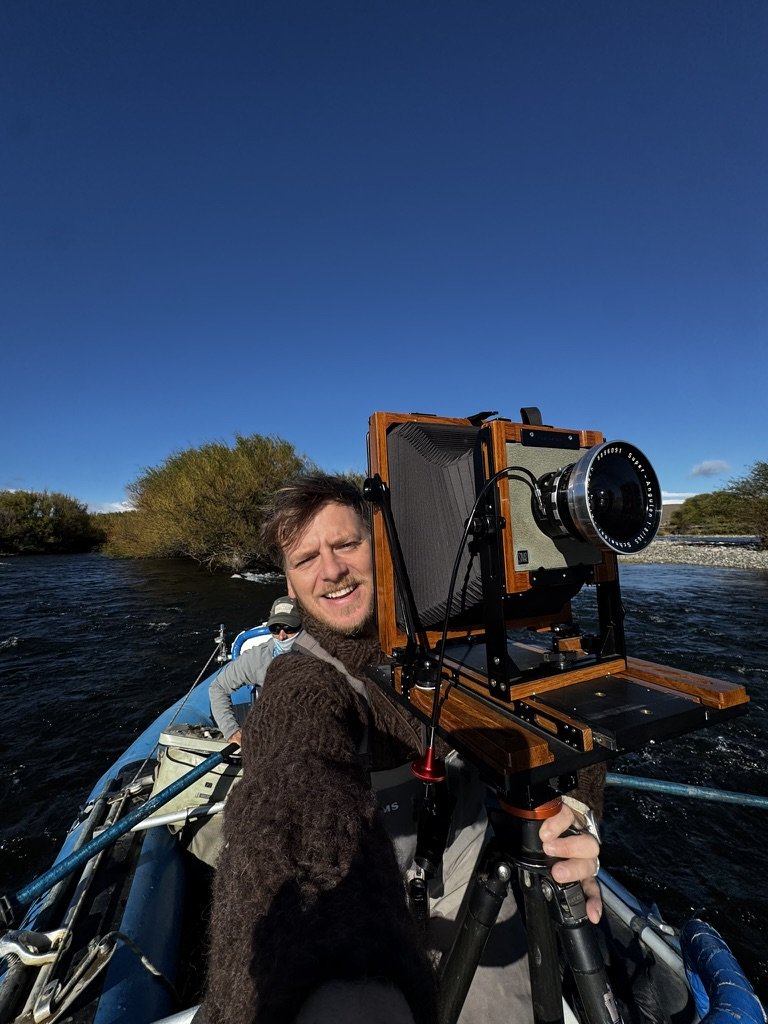
William Hereford first visited Uruguay and the tiny village of Garzon in 2021 while photographing Chef Francis Mallmann’s cookbook “Green Fire.” He fell in love with the country of Uruguay and subsequently moved to the village of Garzon full time.
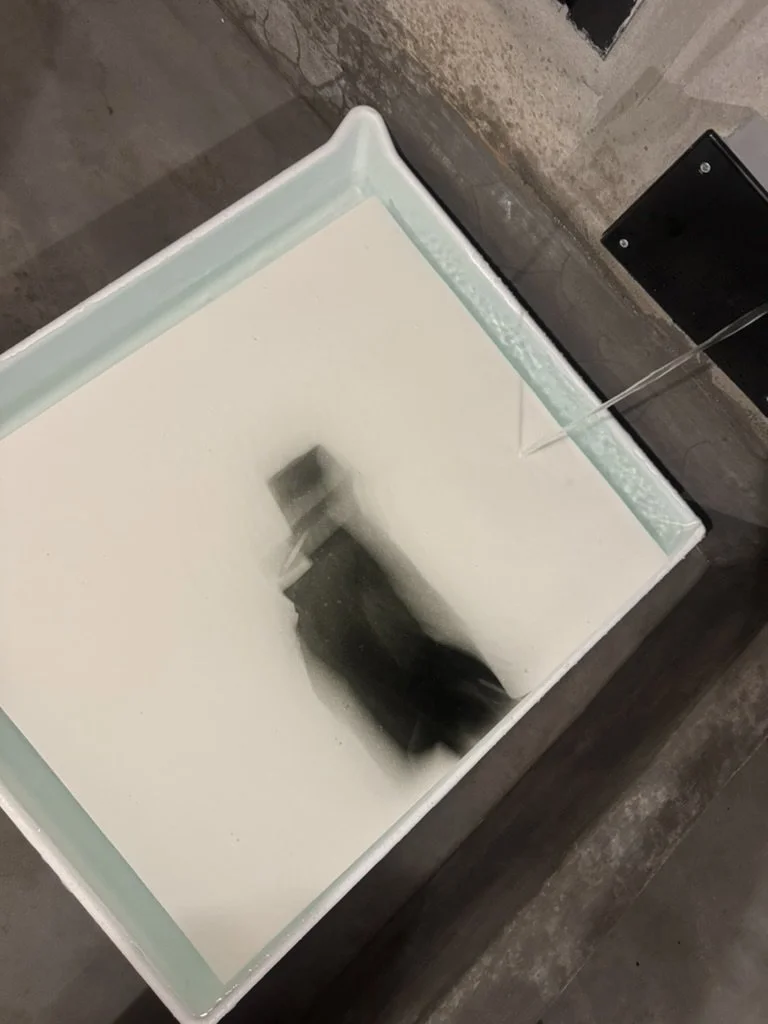
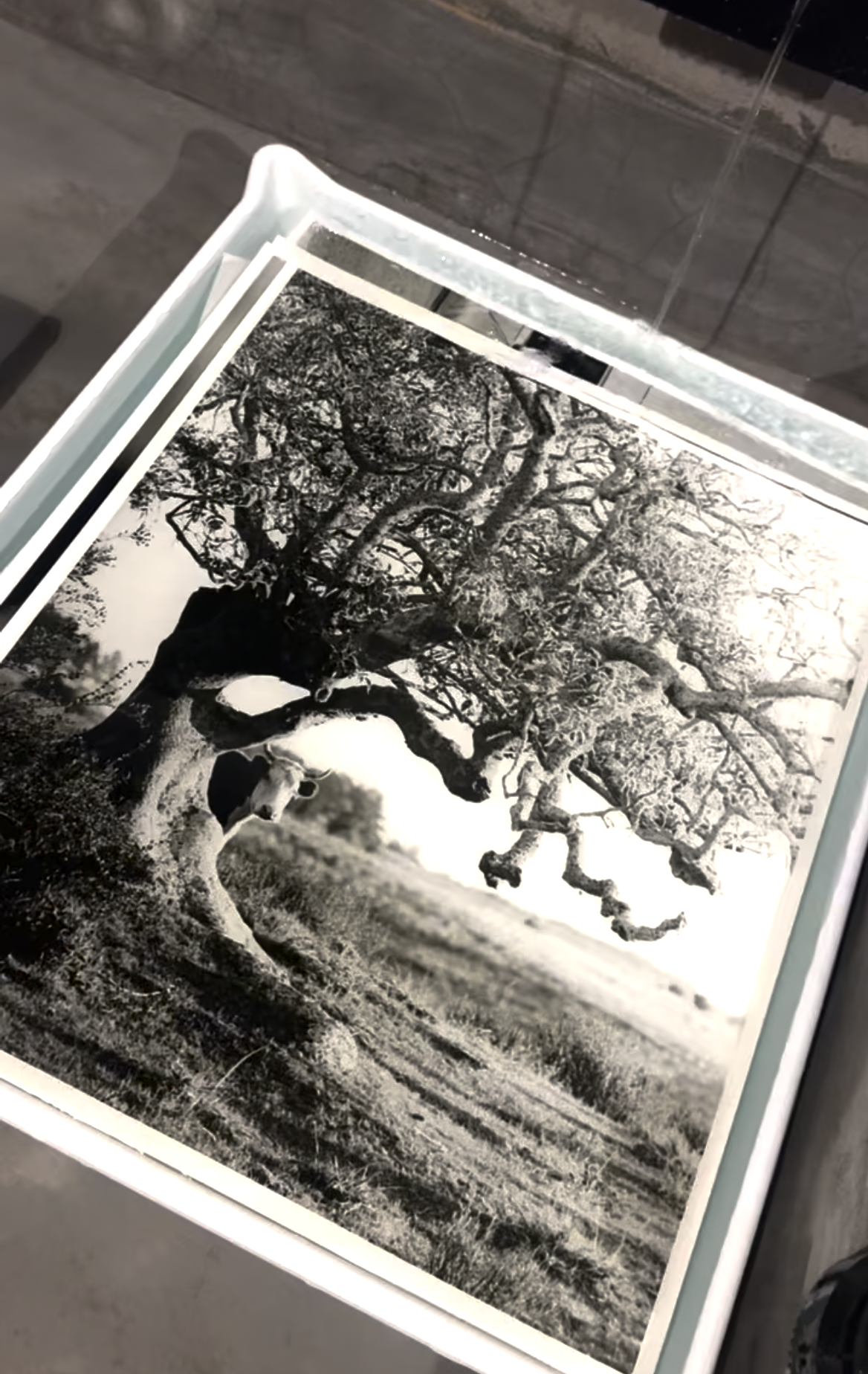
This course will be a guided tour through William’s transition from digital to large format analog photography. We will cover the basics of analog photography including loading film, exposure, composition, processing, and printing in a darkroom. Each student will depart with a series of silver gelatin prints and the technical knowledge needed to work on their own. This course will only cover black and white photography.
The workshop is for amateurs and budding professionals alike. The workshop is limited to 3 students so the classes are intimate. You will have the opportunity to learn at the whatever technical level meets your needs.
This course will be a very personal experience inside William’s home and this wonderful country.
The LARGE format camera
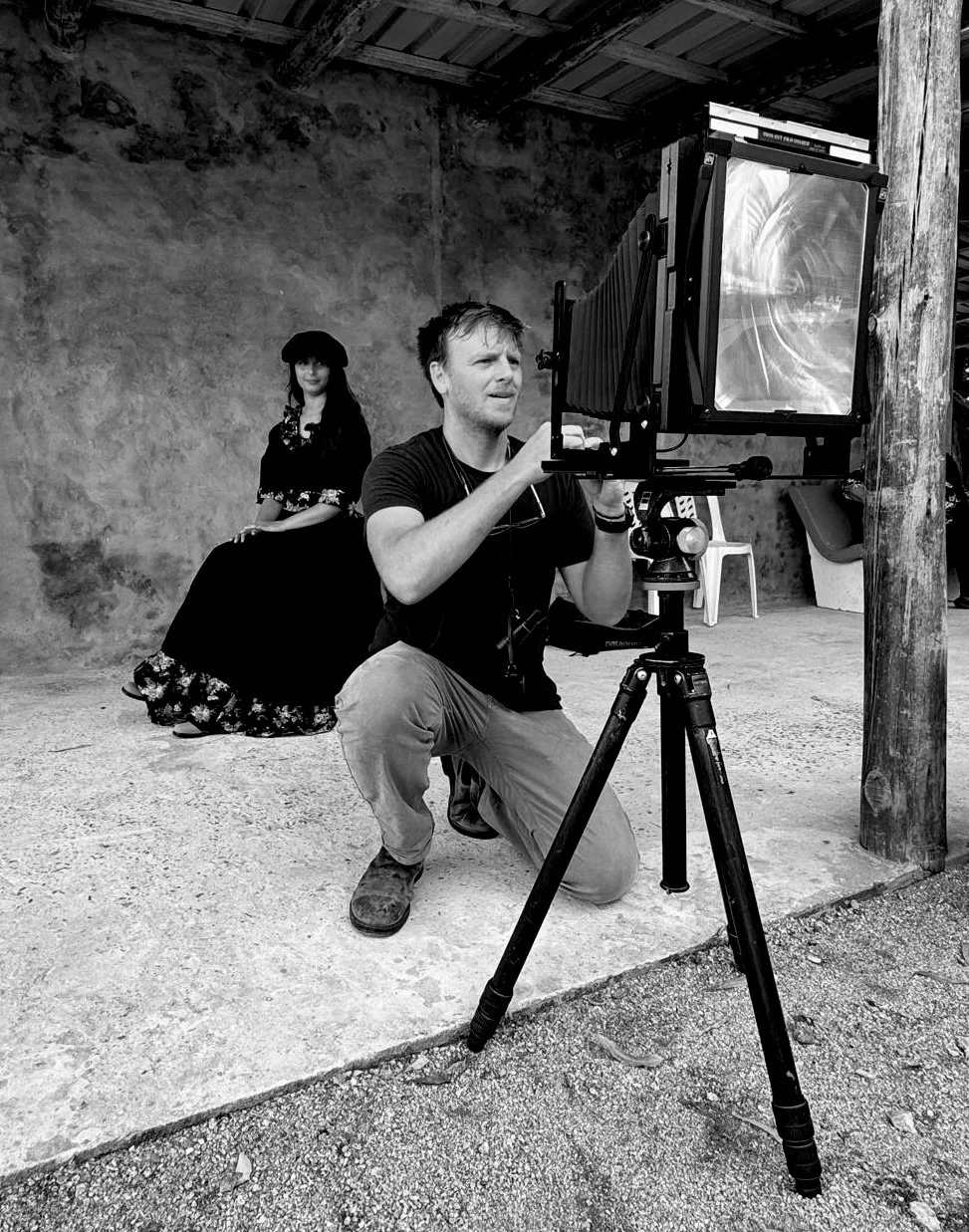
A large format view camera is one of the oldest and most technically demanding tools in photography — and it remains genuinely irreplaceable for certain kinds of work.
An 8x10 negative contains an absurd amount of information. When printed, the image from a large format negative handily beats any digital sensor in terms of resolution and clarity. It is arguably the last analog process which is objectively better than any image created with a digital process.
Like a football, the design of the camera has changed very little over the generations since it’s inception. It is essentially a lens mounted to a black box. Similar to fly fishing, large format photographers fall in love with the process as much as the images themselves.
THE Classroom & Darkroom
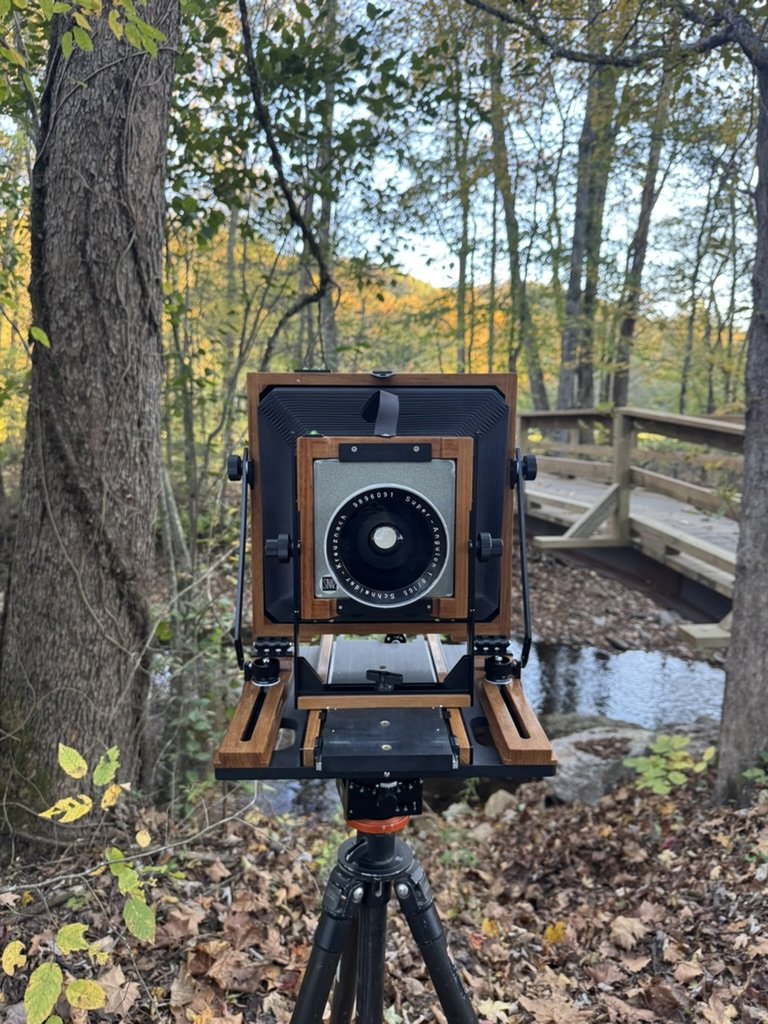
“Estudio Garzon” is William’s personal studio as well as a seasonal venue for culinary and photographic arts. The building is centrally located within the village and serves as the headquarters for all workshops. The classroom is equipped with international charging stations, a large photography library and comfortable couches and chairs for students that would like to work beyond classroom hours.
William’s new darkroom is located just across the property and is equipped with necessary chemicals, enlargers, photographic paper, and utility sinks.

William’s Work
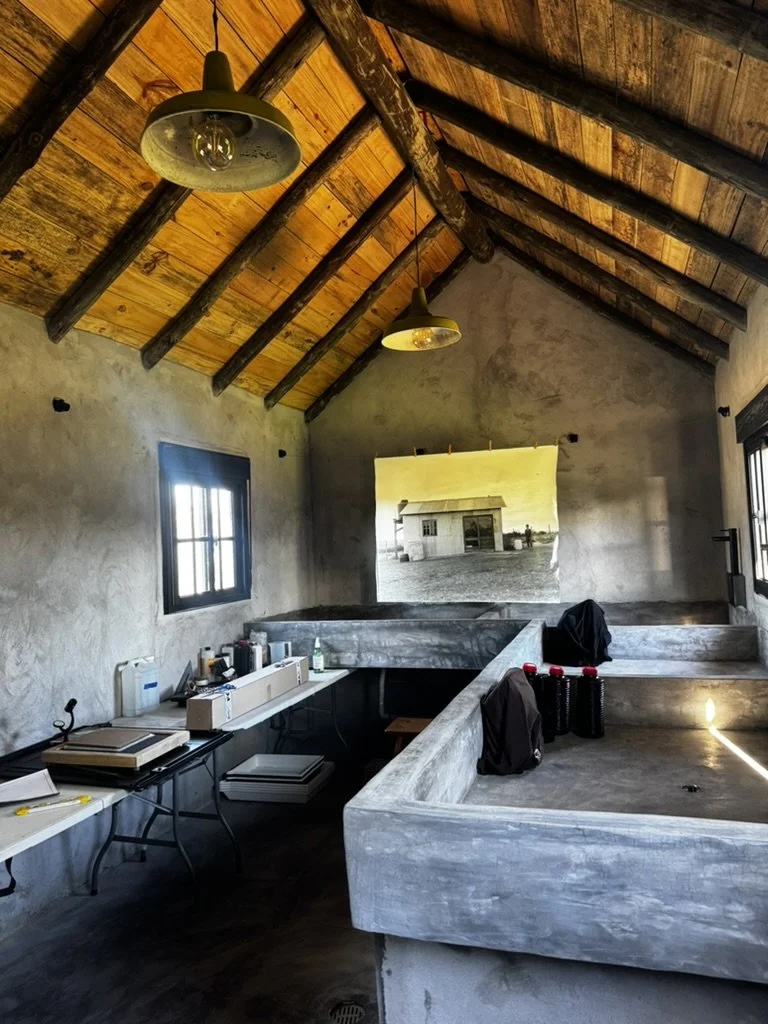
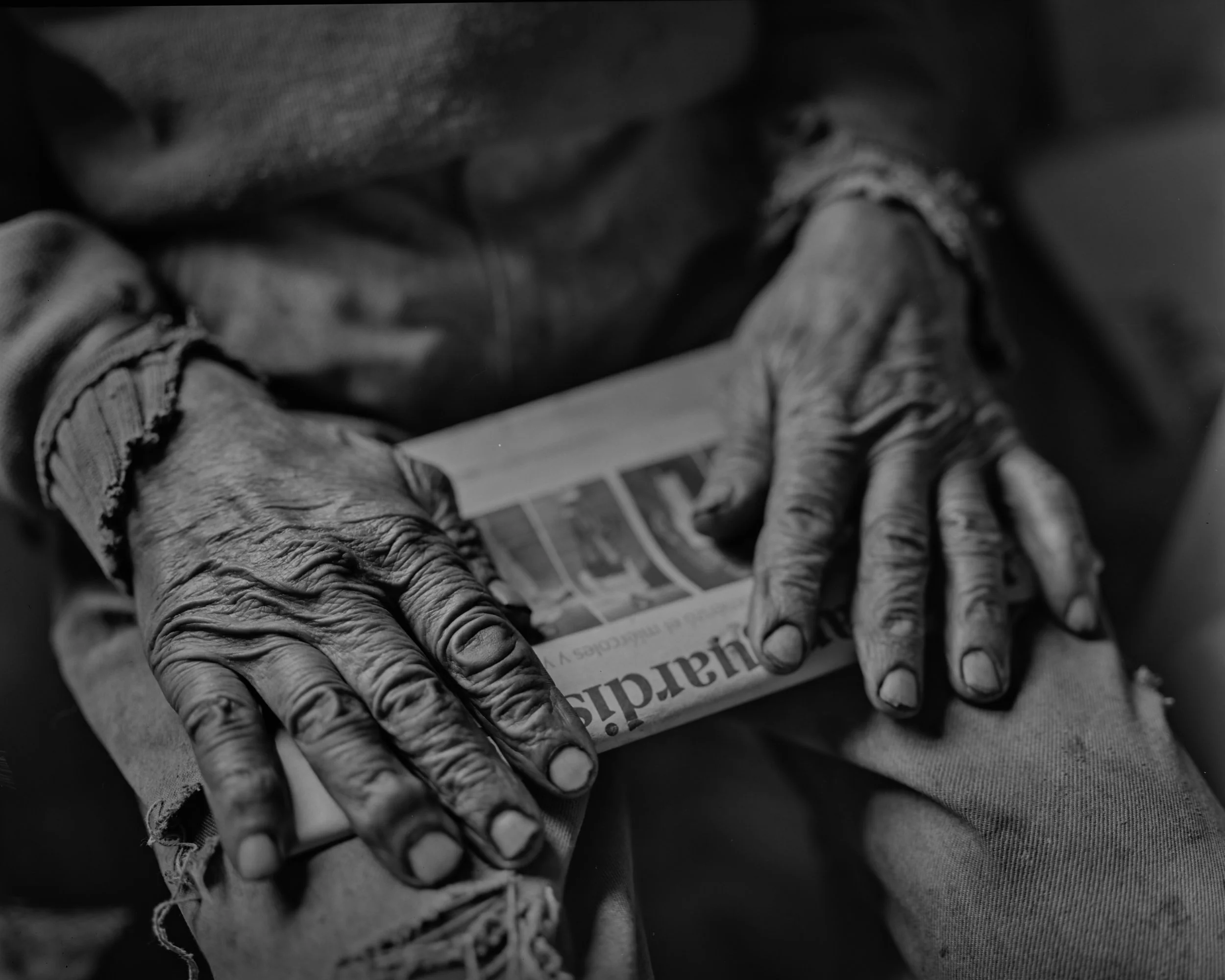
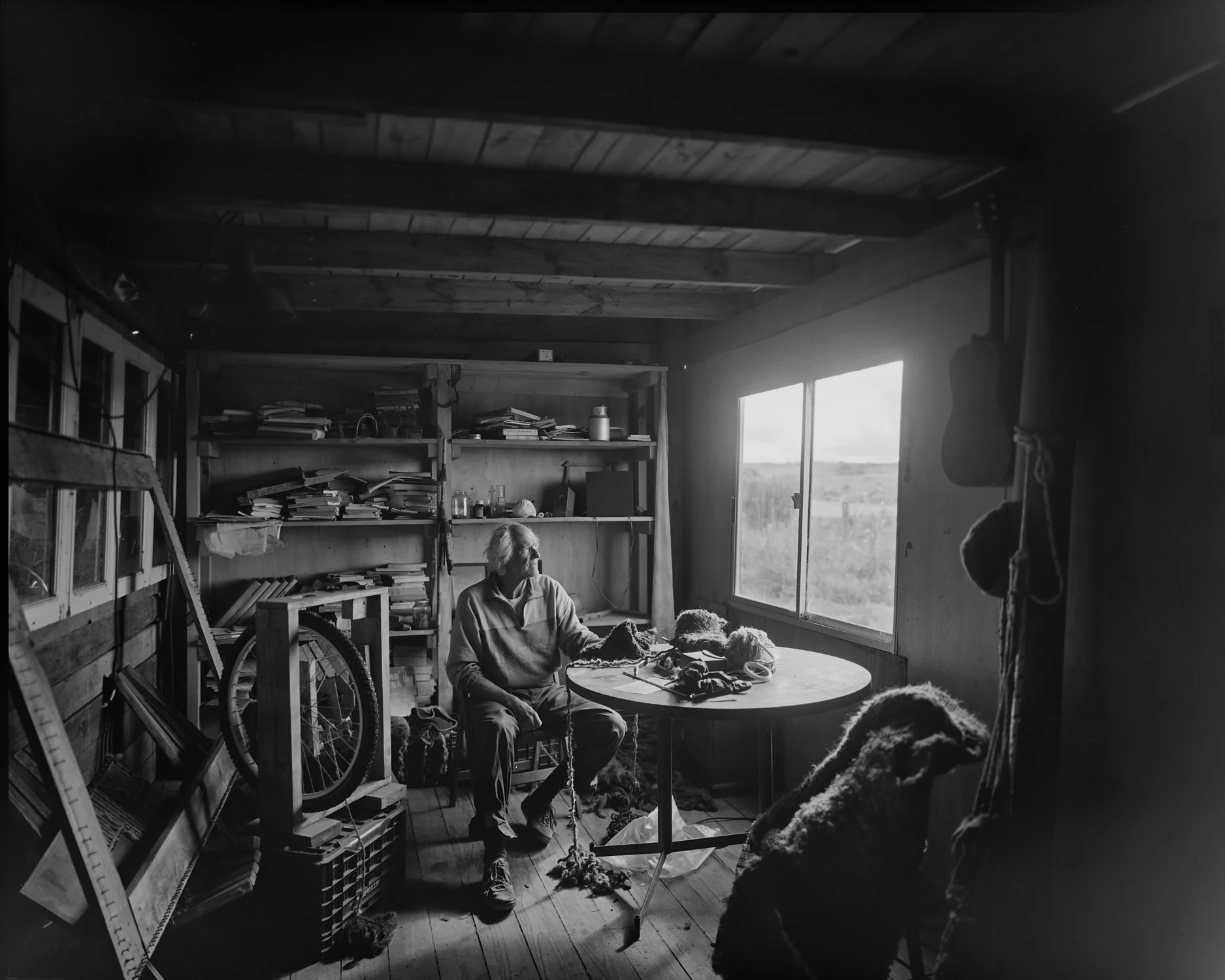
For 2 decades, William photographed stories for the worlds leading editorials including Vanity Fair, Travel & Leisure, Conde Nast Traveler, Departures, Food and Wine, Bon Appetite, as well as commercial campaigns for household names like LL Bean, Orvis, Woolrich, Le Creuset, All Clad, and Lands End. His tourism campaigns for Aruba, Washington DC, and St Augustine Florida graced billboards and the sides of buses. In 2023 he moved to Uruguay full time and abandoned his commercial career to focus on his fine art.
William has worked hard to build an active career in the photography industry but his love of people and the chance to document the way they live continues to be his greatest motivation. He loves teaching and chatting about light, collaborating on what constitutes a beautiful moment and how to photograph it. His hope is to work with students that are interested in sharing their perspective of the world as well as learning from his experiences in the industry.
williamhereford.com
My.OLD.LIFE.williamhereford.com

Required Equipment List
CAMERA BODY: 8×10, 5×7, or 4×5
A large format camera is required to attend this workshop. I will work with students in need of purchasing gear to ensure they have everything they need before the class. I use a Chamonix 810 View Camera. 8×10 is the largest of the three most typical large format camera sizes. As you decrease in film size you decrease in film costs and resolution. Many famous artists shoot with 4×5 cameras. I chose 8×10 because I find the size of the negative to incredible in an almost mystical kind of way. There are many affordable options, both used and new, when searching for this kid of camera. If you don’t know where to start I will be available every step of the way.
LENSES
A 300mm is the most common focal length for 8×10 cameras. The 35mm equivalent to this lens is a 40mm. It is close to the focal length of your eyes and many people use it as their one and only lens. I gravitate towards wider lenses while other photographers prefer long lenses. If you’re planning to only have one lens, this is the lens to purchase.
FILM HOLDERS
Film holders (or cassettes) hold the film in light tight boxes which are loaded into the camera body for creating pictures. It takes a bit of time and effort to load the holders with film so many photographers purchase enough holders for a single outing. For me, this number is 6. For other’s it’s 20. I recommend each student come with at least 3 holders which will give you 6 images per outing.
SPOT LIGHT METER
A spot meter allows us to measure the light in a specific spot of a scene. So if the sunlight is hitting a wall and we want to measure the intensity of both the shadow and the hotspot of the sun we’d use a spot meter. There are many spot meters available. I use a newer product by a company named Reveni Labs: https://www.reveni-labs.com/shop/p/reveni-labs-spot-meter-mk3
TRIPOD AND TRIPOD HEAD
It’s more or less impossible to take a handheld photo with a large format view camera. A tripod is essential for dialing in focus and composition before we snap a pictures. I use fairly old Gitzo tripods and heads but any mid tier tripod and head will provide you with a great starting point.
DARK CLOTH
A dark cloth or “focusing cloth” is the dark curtain we put over our heads to block light when we’re composing an image. Once the camera is up and ready the image reflects on the back glass but we need to limit the light to see the image clearly. The dark cloth blocks light so we can see what we’re shooting. You can buy a specialty product or simply bring a blanket that fits in your bag.
CABLE RELEASE
A cable release is the wire that connects to the lens and allows you to snap a photo. Without the cable release you’ll need to press a button on your lens which risks you moving the camera and creating a blurry image. Cable releases are cheap and easy to find.
25-50 SHEETS OF ILLFORD HP5 PLUS SHEET FILM
You will need to travel with 25-50 shoots of film. Please be sure to purchase the right size film for your camera. To keep things simple, I’m requesting that all three students arrive with the same film stock. The film I’ve selected is my personal favorite and provides a lot of latitude when shooting in bright and dark spaces alike.
Itinerary
DAY 1
TBD Airport Transfer
2:00pm Lunch
4:00pm Tour of Garzon and The Surrounding Hills
5:00pm Gear Check: make sure all cameras are functioning properly
7:00pm Welcome Dinner
DAY 2
9:00am Breakfast
10:00am Camera Basics: focus, loading film, composition, exposure
1:00pm Lunch
2:00pm Lighting Lesson: back light, front light, shadow, highlights
5:00pm Film Processing: Chemicals preparation, processing, tanks, drying film
7:00pm Dinner
DAY 3
7:00am Landscapes: Old building Interiors, Gaucho Portraits, Horses, Sheep, Cattle
10:00am Breakfast/Personal Time
1:00pm Lunch
2:00pm Home Visit: Portraits, Interior Details, Documentary
5:00pm Film Processing
7:00pm Dinner
Day 4
9:00am Breakfast
10:00am Intro to Printing: enlarger, chemicals, focus, test strips, printing
12:00pm Optional shooting in old bar
1:00pm Lunch
2:00pm Printing
7:00pm Farewell Asado
DAY 5
9:00am Breakfast
10:00am Collect Prints
TBD Airport Transfer
Food & Beverage
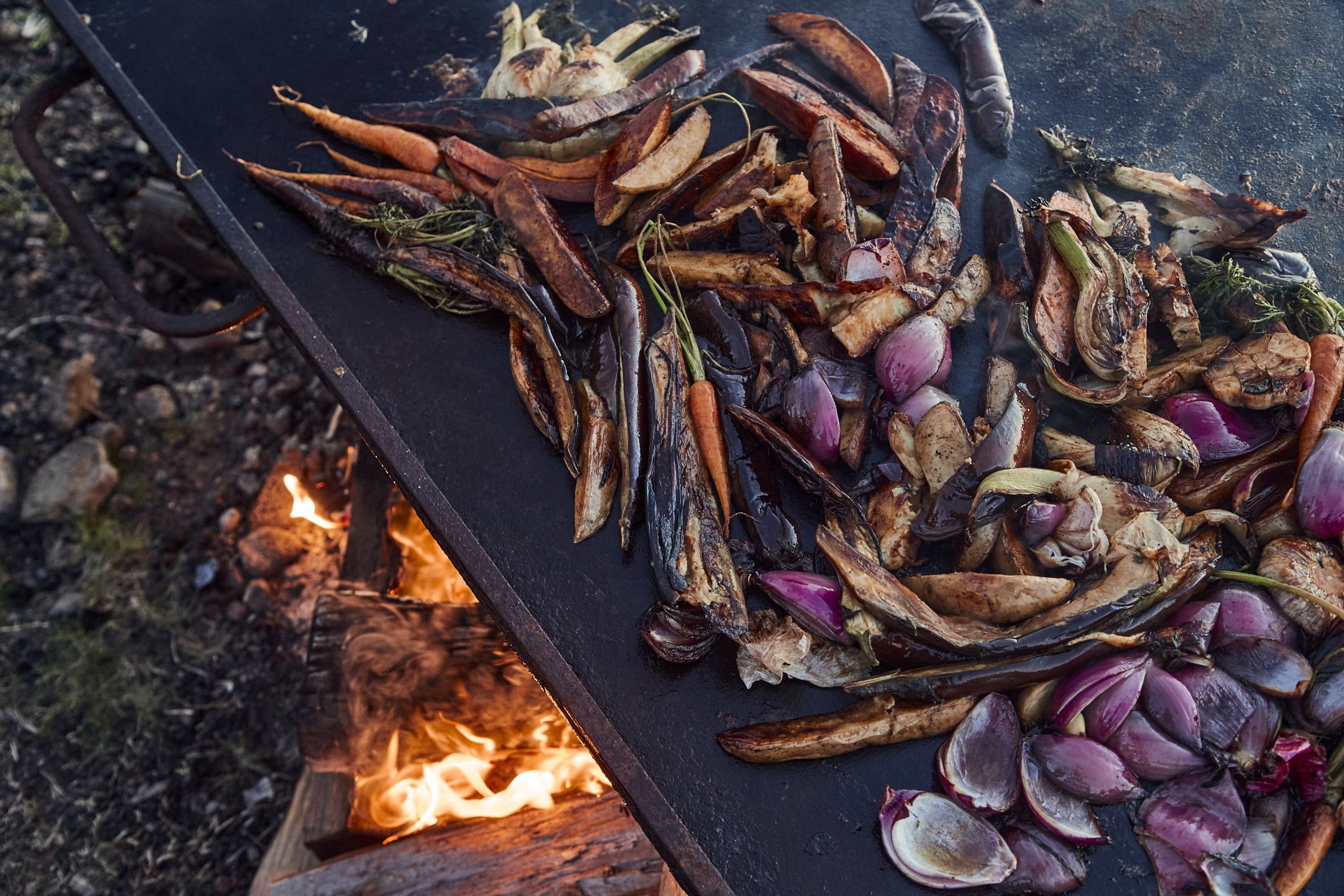
At Estudio Garzón, the food and wine program is an integral part of our workshop experience. Each meal reflects our deep connection to the land: produce is grown in local gardens, meats are sourced from trusted local purveyors, and our wines and spirits come exclusively from small-label Uruguayan artisans. The menu is curated by Nicole Tuvi and a dedicated team of chefs. With over a decade as Director of Operations at Francis Mallmann’s famed Restaurant Garzón, Nicole brings a wealth of culinary expertise and a passion for creating meals that embody place, season, and craft.
Travel & AccomModations
Flights should be booked to Montevideo (Airport Code: MVD). Transfers will be available from the airport to Garzon and back to MVD. It’s a 2 hour drive. If you’re interested in exploring the area after class I recommend renting a car which can be reserved online before your flight.
The cost of tuition will cover accommodations. A private bedroom and bathroom for each student will be provided between separate properties. All properties are privately owned, elegantly furnished and well reviewed. More details on the properties are available upon request and bookings are first come first served.
Restaurant/Hotel Garzon is a renown hotel and available to students with a larger budget. Please inquire if you’re interested.
